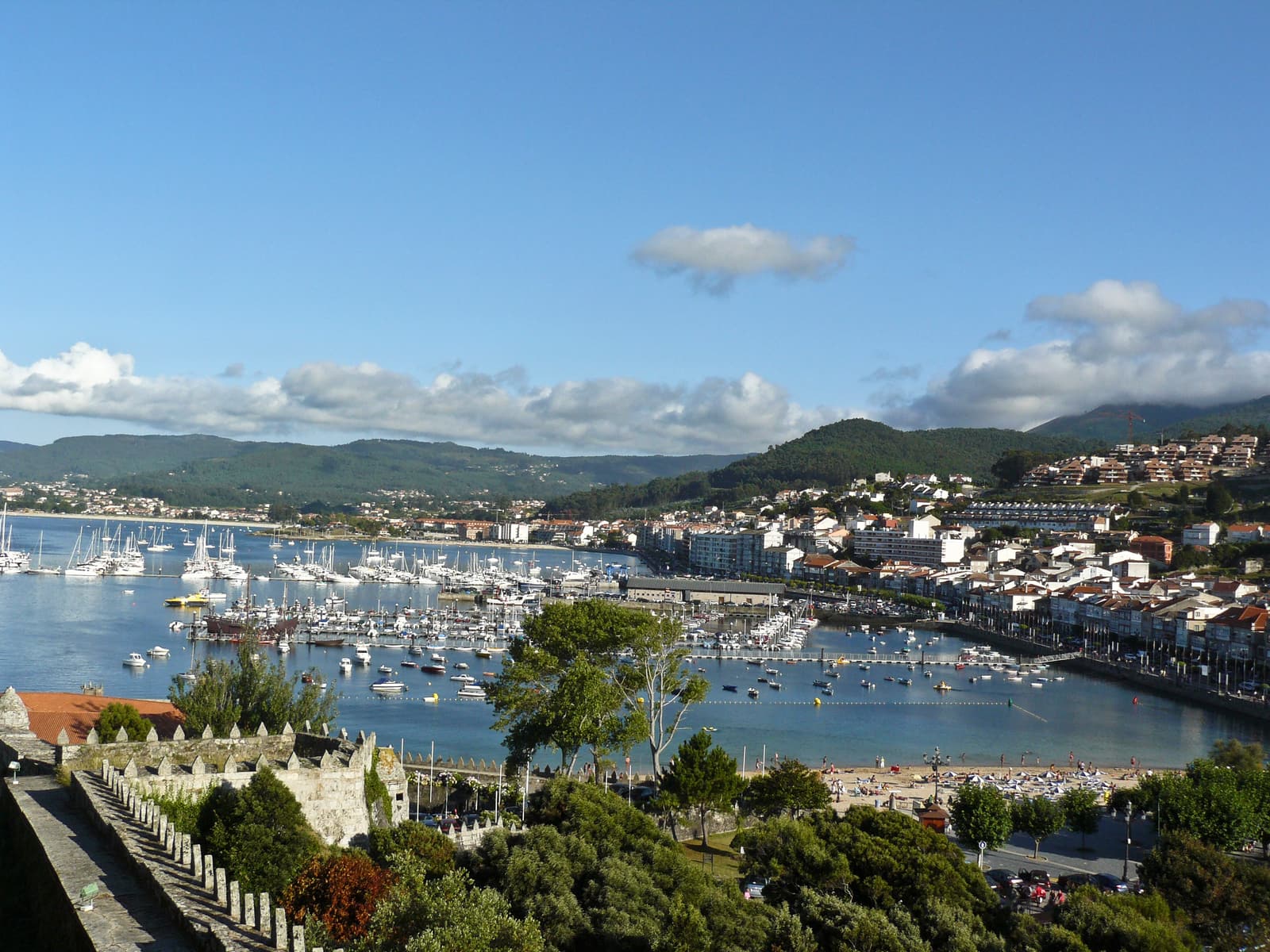
A Guarda is the last town in Galicia: a colourful fishing port wedged between the Atlantic and the mouth of the river Miño, with Portugal on the far bank. It is known across Spain for its lobster and for the conical hill that rises behind it.
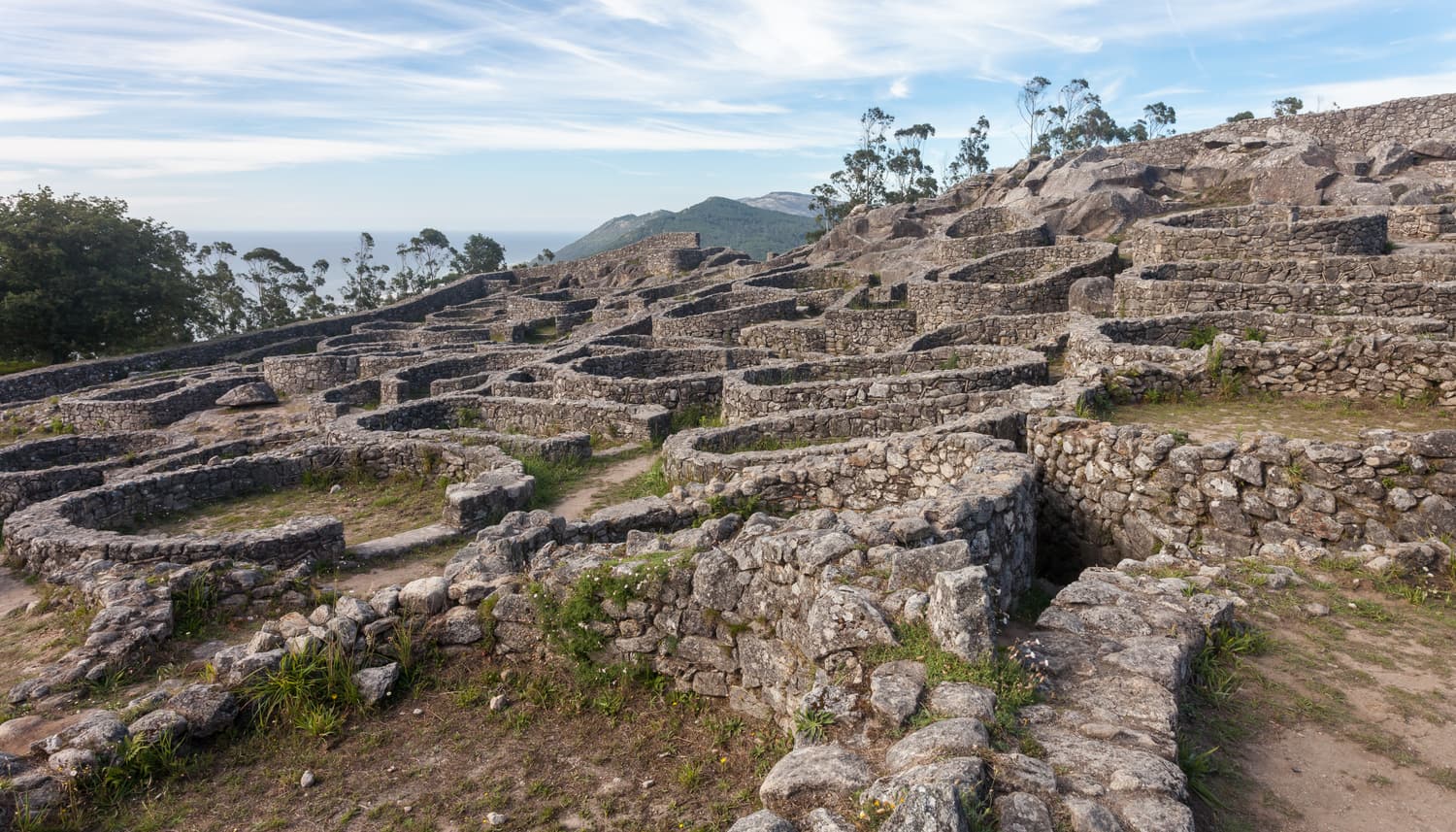
That hill is Monte Santa Trega, 341 metres high, and on its slopes lies one of the largest and best-known castros — fortified Iron Age settlements — in the north-west of the Iberian Peninsula, occupied around the time the Romans arrived.
Top things to do: A Guarda & Monte Santa Trega
Explore the castro
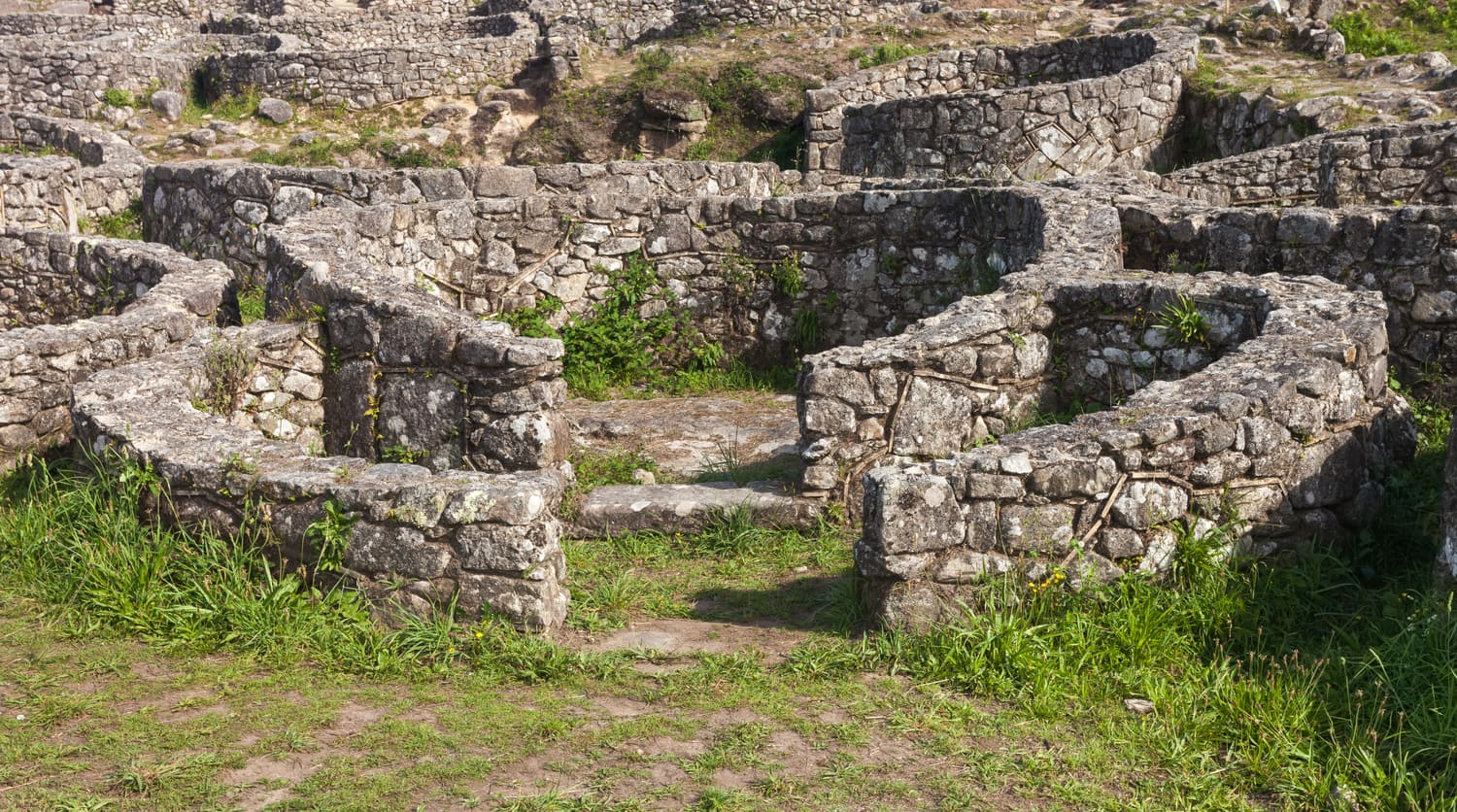
The excavated part of the settlement is a honeycomb of round stone houses, some with porches and yards, threaded by paved lanes and drains. A couple of dwellings have been rebuilt with thatched roofs to show how they looked.
Go to the summit
At the top are a small archaeological museum with finds from the site, a hermitage and a viewpoint over the Miño estuary, the beaches of northern Portugal and the Atlantic. On a clear day it is one of the great panoramas of Galicia.
Eat on the harbour
A Guarda’s seafront is lined with narrow, brightly painted fishermen’s houses and seafood restaurants. Lobster is the speciality — the town holds a festival in its honour in early summer — but the day’s fish is easier on the wallet.
Walk by the estuary
South of town, footpaths and boardwalks follow the Miño estuary past river beaches and pinewoods, with Portugal a few hundred metres across the water. It is good, gentle birdwatching country.
How to get to A Guarda & Monte Santa Trega
- A Guarda is about 30 km south of Baiona on the PO-552 coast road, roughly 40 minutes’ drive. A road climbs Monte Santa Trega to the castro and the summit; there is a small charge per person to go up.
- Buses link A Guarda with Tui and Vigo. Services along the coast to Baiona are limited, so check times in advance.
Insider tips
- Go up Santa Trega in the morning for the clearest views; sea mist often rolls in later.
- Combine it with Cabo Silleiro and Oia for a full-day coastal drive from Baiona.
- The O Rosal wine valley, with its Albariño wineries, is just inland.
- It is windy on the summit in every season.
Best tours for A Guarda & Monte Santa Trega
These experiences are the easiest way to see A Guarda & Monte Santa Trega:
E-bike ride from US$34 Baiona–A Guarda: E-Bike Experience along the Atlantic Coast
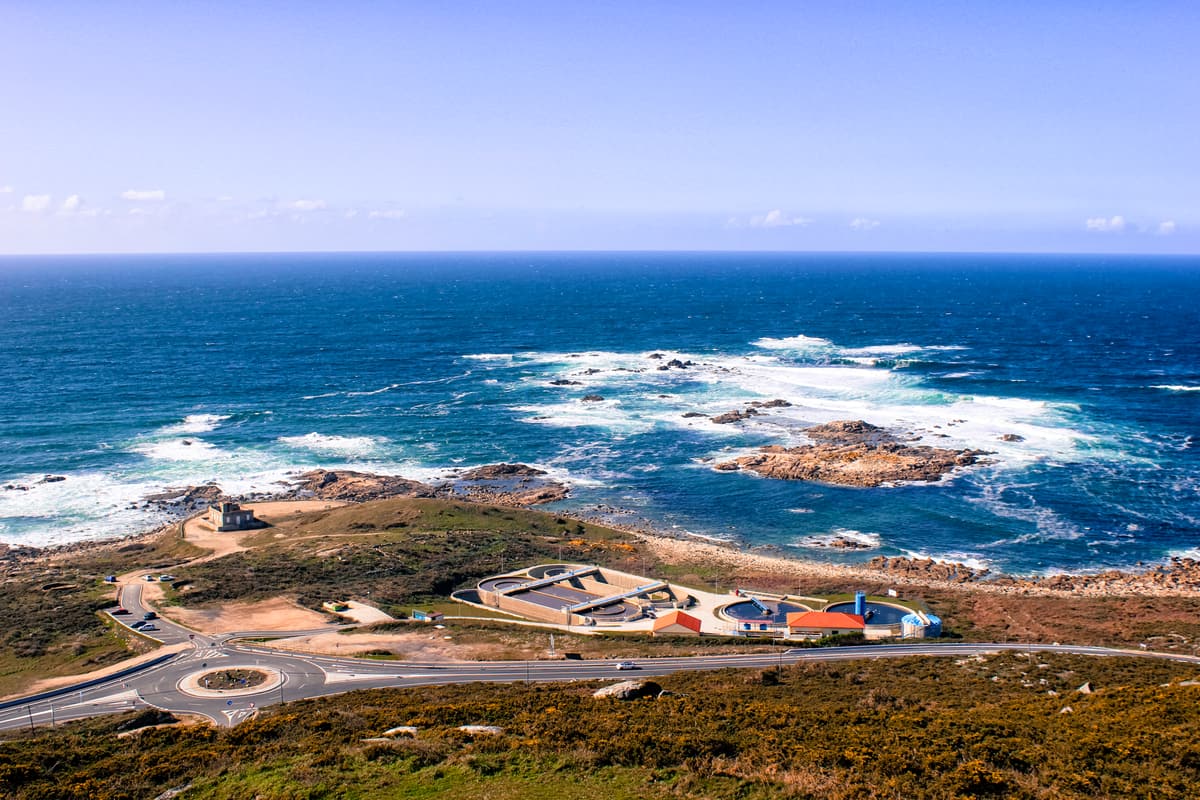
An e-bike ride along one of the most exposed and beautiful stretches of the Galician coast, the same shore followed by the coastal Camino. It is a new product with almost no reviews yet, so read the latest feedback before booking.
- The open Atlantic coast between Baiona and A Guarda
- The shore followed by the coastal Camino
- Electric assistance on the long coastal stretch
 Winery visit from US$17
Visit to the Adegas Valmiñor Winery and Tasting
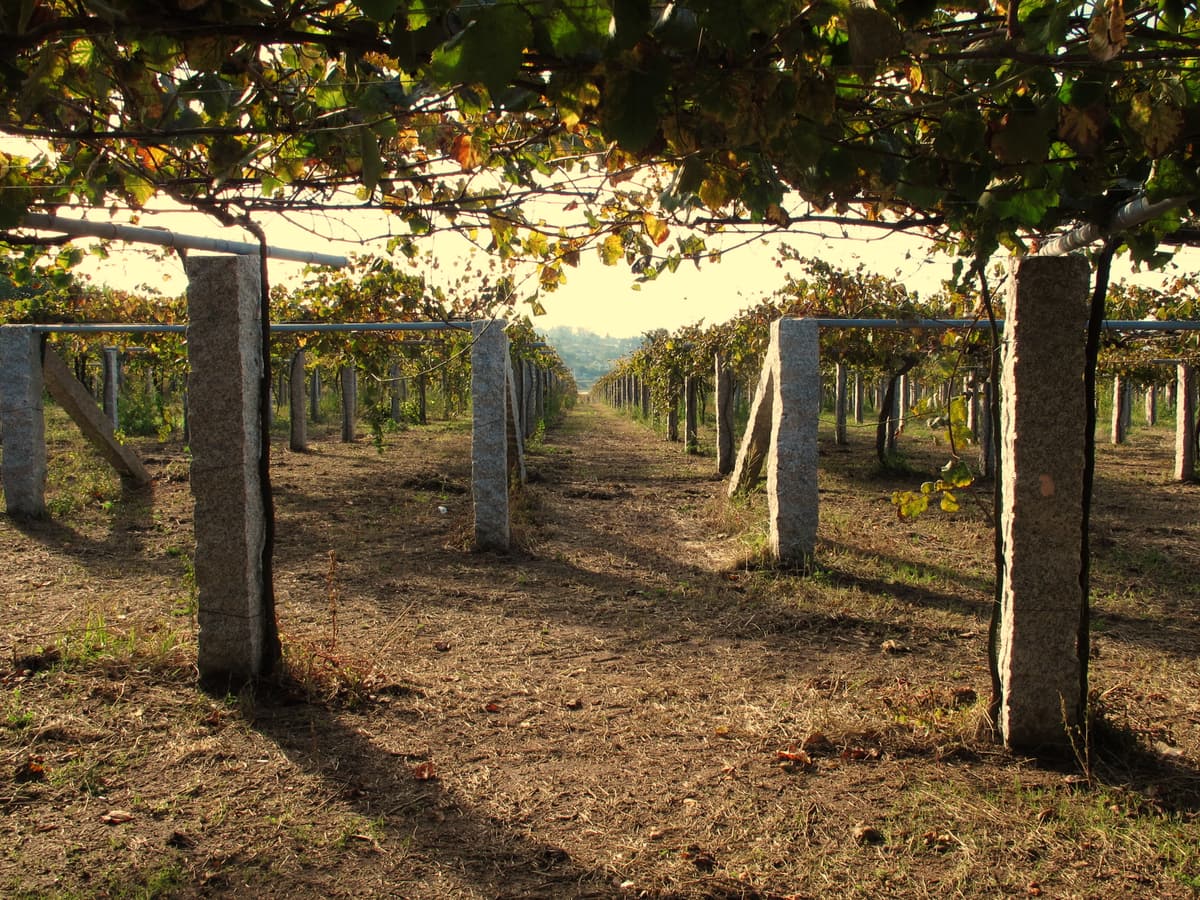
A one-hour visit to a modern winery in O Rosal, the Rías Baixas subzone beside the Miño about half an hour south of Baiona, finishing with a tasting. You need your own transport to get there.
- A Rías Baixas winery in the O Rosal valley
- Guided visit to the winery
- Tasting of the house wines
 E-bike ride from US$34
Tui–Valença: E-Bike Ride along the Banks of the Miño
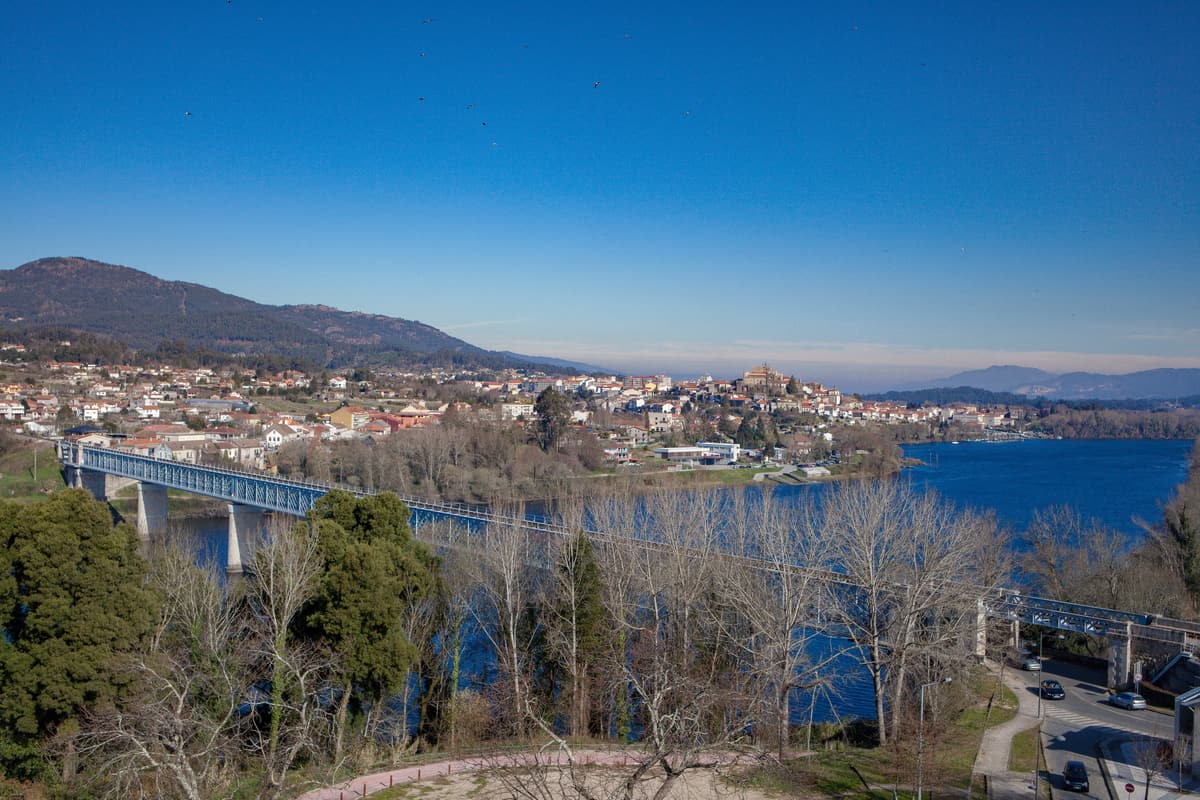
An e-bike ride along the river that separates Galicia from Portugal, linking the border towns. It is a new listing without reviews so far, so check the latest feedback before booking.
- Along the banks of the Miño
- Spain and Portugal in one ride
- Tui, Valença and the border towns